



FEMA's flood maps often miss dangerous flash flood risks, leaving homeowners unprepared
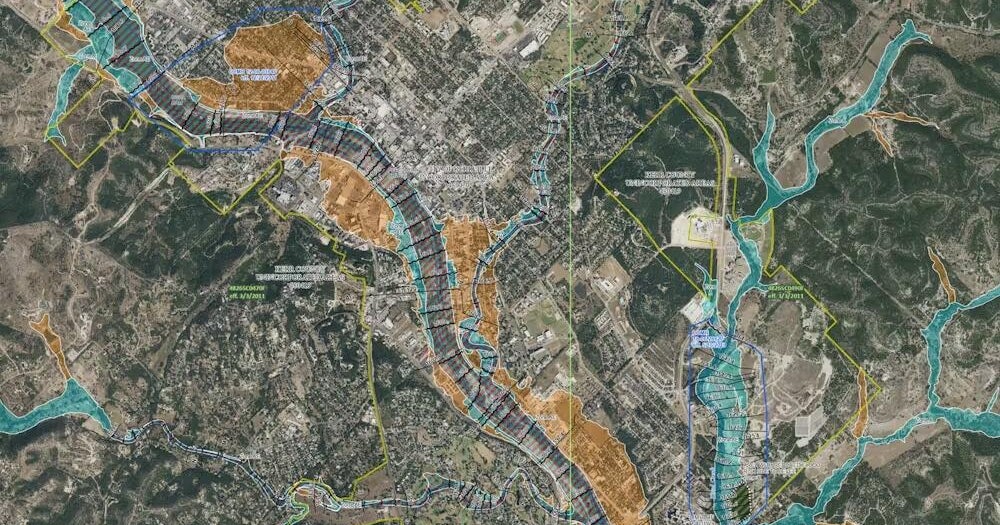 FEMA's Inadequate Flood Maps Despite Progress
In 2015, FEMA released a flood map that was criticized for its inaccuracies, leaving many homeowners vulnerable. The maps were static, static, outdated, and lacked the depth of information necessary for effective preparedness. While FEMA aimed to improve their tools with better data, community input, and digital advancements, they remain short on critical insights.
Static Nature of Maps
FEMA's flood maps are static in nature, meaning they do not dynamically update as conditions change. They rely heavily on historical data and population density estimates, which can be misleading. For instance, a map might show high fire risk zones but fail to indicate specific areas prone to flash floods or potential damage levels.
Lack of Data Sources
The maps often depend on limited data sources, such as historical flood records and limited environmental information. This lack of detail limits their ability to provide precise risk assessments. Without real-time data, FEMA cannot capture the complexities introduced by evolving climate conditions and terrain changes.
Environmental Factors Not Considered
FEMA's tools do not account for environmental factors that could impact flood risk, such as terrain type or water runoff. These factors can influence damage potential but are often overlooked in static maps, leading to incomplete risk assessments.
Lack of Specificity
Despite their best efforts, FEMA's maps lack specificity beyond zones of high and low risk. They do not identify exact dangerous areas or provide actionable guidance on mitigation strategies, which hinders effective preparedness.
Community Input Efforts
In response to criticism, FEMA has incorporated community input into their flood mapping processes. This includes gathering feedback from residents about specific risks and locations they find particularly hazardous. Additionally, FEMA utilizes community input with data from local organizations like the NAACP and community leaders.
Current State of Development
Despite improvements over time, FEMA's maps remain limited by their reliance on static data and community involvement. The lack of dynamic updates means that FEMA can only make predictions based on current conditions rather than projecting future changes in flood risk.
Conclusion
FEMA is making progress in improving flood map accuracy through better data sources and community input. However, their approach remains static, lacking the depth needed for effective preparedness. As societal awareness increases, FEMA should consider ongoing updates to ensure comprehensive risk assessment capabilities.
Recommendations
To address the shortcomings of FEMA's flood maps, society can advocate for improved data collection methods, include more dynamic data sources, and leverage community input effectively. Strengthening FEMA's tools with these improvements would enhance their ability to provide accurate and actionable flood prevention guidance.
------
Topic Live