



President Trump may launch attacks on Colombia and Cuba as part of his foreign policy.
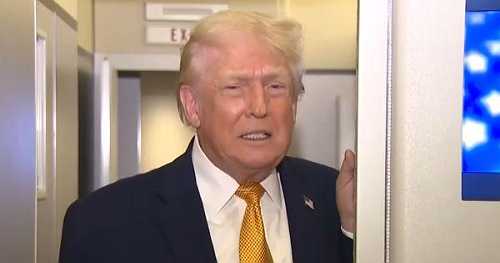 Global Power Play: Trump's Warning Shots at Colombia and Cuba
In a move that has sent shockwaves across the globe, President Trump has hinted at launching attacks against not one, but two Latin American nations - Colombia and Cuba. The news comes hot on the heels of the US operation in Venezuela, where Venezuelan President Nicolas Maduro was captured and is now set to face trial in the United States.
According to sources close to the White House, Trump's comments were made after a meeting with reporters, during which he expressed his dissatisfaction with the leadership of both countries. In particular, he took aim at Colombian President Gustavo Petro, accusing him of "criminal behavior" and claiming that Colombia is "run by a sick man". When asked directly if the US might take military action against Colombia, Trump's response was telling: "it sounds good".
But what's behind this sudden interest in Latin America? And what does it mean for the region - and the world at large? To understand the context, let's take a step back. The US operation in Venezuela has been widely reported on, with many praising the move as a bold step towards bringing stability to the troubled nation.
However, not everyone is convinced that this is the case. Venezuelan officials have rejected the notion of Maduro's capture as a kidnapping, and instead claim that he was taken by force. This has led to a tense standoff between the US and Venezuela, with Trump warning of further action if the country's leadership does not comply.
But what about Colombia and Cuba? Why are they being targeted now? The answer lies in their relationships with Venezuela - and each other. According to Trump, Cuba survived financially thanks to Venezuelan support, but this support is now gone after the US operation. This has left Cuba in a precarious position, with Trump claiming that it "looks like it's ready to fall".
Cuban officials have confirmed that at least 32 Cuban citizens died during the operation, and while they have not commented on Trump's claims about their country's financial situation, it's clear that tensions are running high. Meanwhile, Colombian President Petro has pushed back against Trump's accusations, rejecting any link to drug trafficking and warning against threatening a Latin American president who rose from armed struggle to a peace process.
So what does this mean for the region? And what can we expect next? One thing is certain: the situation in Venezuela - and beyond - is far from stable. With Trump's warnings of further action, it's clear that the US is not backing down. But will this lead to more conflict, or a new era of cooperation?
Only time will tell, but one thing is for sure: the world is watching with bated breath as these global power plays unfold.
The Human Cost
As we navigate this complex web of international relations, it's essential that we remember the human cost. The lives lost in Venezuela - and potentially Colombia and Cuba - are a stark reminder of the devastating consequences of conflict.
We must not forget the families torn apart by war, the children left without parents, or the communities ravaged by violence. As we consider the next steps, let us prioritize peace, stability, and human dignity above all else.
A Call to Action
As this situation continues to unfold, it's essential that we stay informed - and engaged. We must demand transparency from our leaders, hold them accountable for their actions, and work towards a more just and equitable world.
Let us use our voices to promote peace, understanding, and cooperation. Let us stand in solidarity with those affected by conflict, and work tirelessly towards a brighter future for all.
The fate of Colombia, Cuba, and Venezuela hangs in the balance - but so does our collective future as a global community. What will we choose?
Topic Live