



Erica Sinclair's ending in 'Stranger Things' is typical for Black characters in the show.
 The Unfair Treatment of Black Characters in TV Shows: A Case Study with Stranger Things
As I sat down to write this article, I couldn't help but think about the countless hours I've spent binge-watching my favorite TV shows. But what struck me was not just the thrilling plot twists or the lovable characters, but also the way certain groups of people are treated within these fictional worlds. Specifically, I'm talking about the Black characters who bring so much depth and richness to these stories.
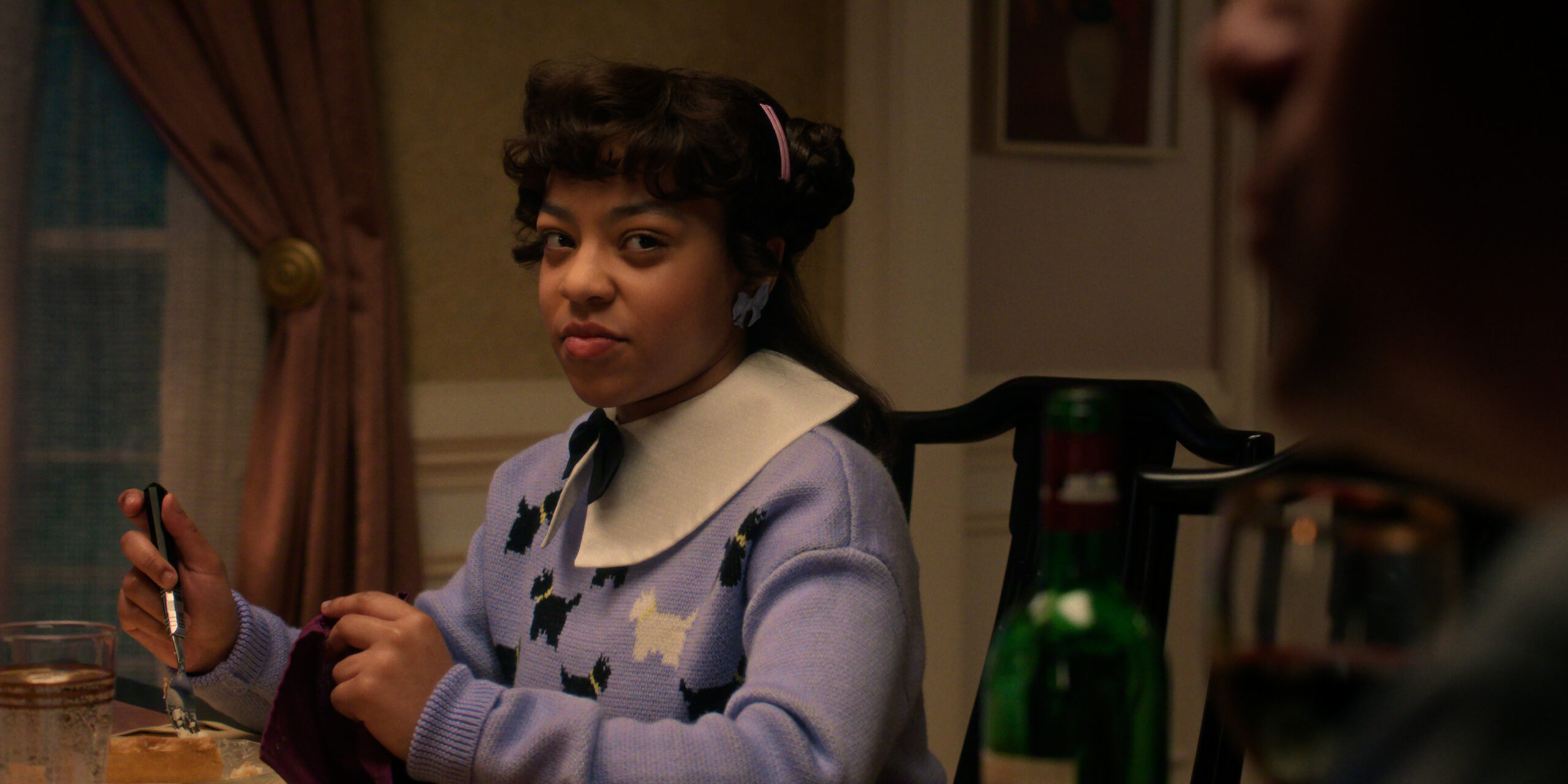
Take, for instance, Erica Sinclair from Stranger Things. Played by Priah Ferguson, this young actress stole our hearts with her wit, sass, and bravery. But what's truly remarkable is how Erica's character evolved over the seasons. Initially introduced as Lucas's wisecracking little sister, she quickly became an integral part of the show's narrative. Her role was no longer just comic relief; she was a vital player in saving the world from supernatural threats.
The impact of Erica's character cannot be overstated. She brought a fresh perspective to the show, one that was both authentic and relatable. But what's equally striking is how her storyline came to an abrupt end. Spoilers ahead, but it's clear that Erica's departure was not just a plot twist – it was a deliberate choice made by the showrunners.
This got me thinking: are Black characters in TV shows often treated unfairly? Do they get shortchanged when it comes to screen time, character development, and ultimately, their storylines? The answer, unfortunately, is yes. It's a phenomenon that's been observed across various TV shows, with Black characters being relegated to the sidelines or worse, killed off without much fanfare.
But why does this happen? Is it because of racism, lack of representation, or simply a lack of understanding about what makes great storytelling? Whatever the reason, it's clear that there's a problem here. And it's not just limited to TV shows; movies, books, and even video games suffer from similar issues.
So, what can we do about it? First and foremost, we need to acknowledge the issue and have open conversations about it. We need to recognize the value of diverse representation in media and how it enriches our viewing experience. We also need to hold creators accountable for their choices and demand better from them.
In the case of Stranger Things, I believe that Erica's storyline was a missed opportunity. With her character development and growth over the seasons, she had become an integral part of the show's fabric. Her departure felt like a slap in the face, not just to Priah Ferguson but also to the fans who had grown attached to her.
But here's the thing: we can't let this discourage us. We need to keep pushing for better representation and more inclusive storytelling. We need to celebrate shows that get it right, like Black-ish or Atlanta, which showcase complex Black characters in all their glory.
In conclusion, Erica Sinclair's ending in Stranger Things is a stark reminder of the unfair treatment of Black characters in TV shows. But it's also an opportunity for us to reflect on what we want from our media and how we can demand better. Let's keep pushing for more diverse representation, more inclusive storytelling, and more complex characters that reflect the world we live in.
As I finish writing this article, I'm left with a sense of hope and determination. We can do better, folks. We must do better. The future of media is bright, and it's up to us to shape it into something truly remarkable – one where every character, regardless of their background or skin color, gets the respect and recognition they deserve.
#Entertainment #Television #Featured #StrangerThings
Topic Live