




Satellite Images Reveal Activity at Iran's Nuclear Sites Amid Protests
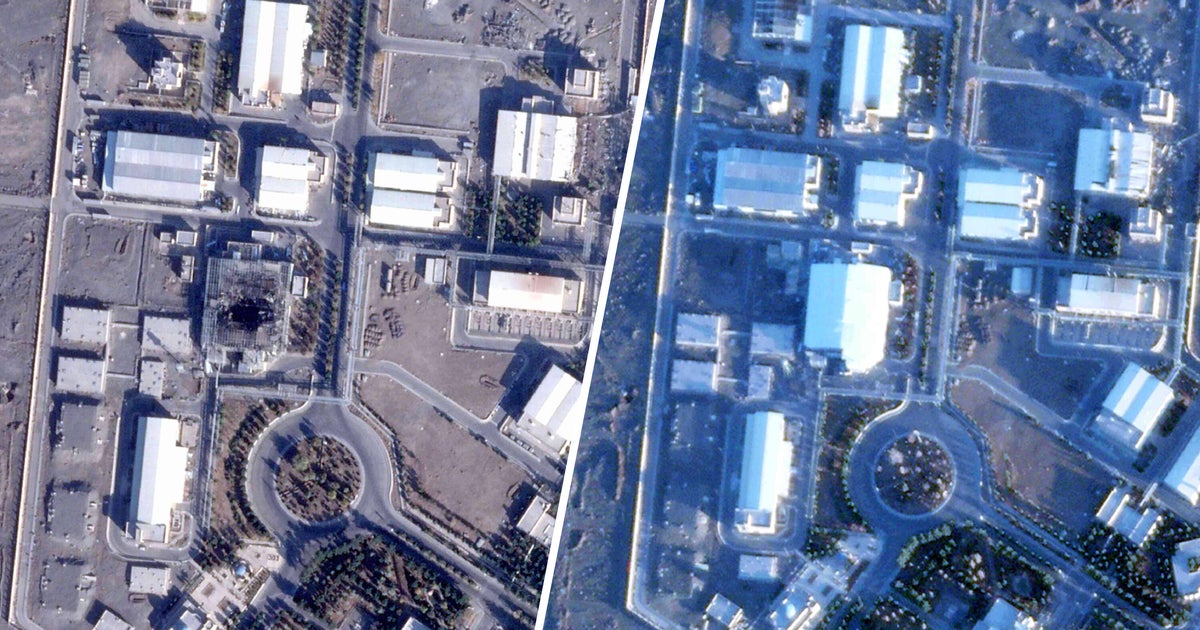 As tensions escalate over Iran's brutal crackdown on nationwide protests, satellite images have revealed a concerning trend at two of the country's nuclear sites. The photos, taken by Planet Labs PBC, show roofs being built over damaged buildings at the Isfahan and Natanz facilities, sparking fears that Tehran may be trying to conceal efforts to salvage any remaining materials.
Satellite Images Reveal Roofing Activity
The satellite images, taken on January 28, show roofs being constructed over two damaged buildings at the Isfahan and Natanz facilities. This activity is significant because it blocks satellites from seeing what's happening on the ground, making it difficult for inspectors from the International Atomic Energy Agency to monitor the sites. Iran has prevented access to these sites, leaving inspectors reliant on satellite imagery.
Experts Weigh in on Possible Motives
According to experts who have examined the sites, the new roofs are not a sign of reconstruction efforts but rather part of Iran's attempts to assess whether key assets, such as highly enriched uranium, survived the strikes. Andrea Stricker, an expert who studies Iran for the Foundation for Defense of Democracies, believes that Tehran wants to be able to access any recovered assets without Israel or the United States seeing what survived.
Protest Crackdown Continues
The protests in Iran have resulted in a staggering number of casualties, with estimates suggesting over 4,000 protesters have been killed so far. Human Rights Activists in Iran, a U.S.-based non-governmental organization, has reported this figure, while sources within Iran claim the actual number could be as high as 20,000.
The satellite images and expert analysis raise concerns about Iran's intentions regarding its nuclear sites. As tensions continue to escalate over the protests, it is essential for the international community to remain vigilant and monitor the situation closely. The fate of these facilities and their contents remains a pressing concern, with implications for global security and stability.
Topic Live