


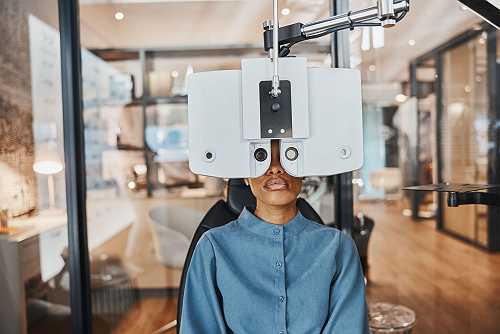
During glaucoma screening, one should expect retinal thickness measurement, eye pressure evaluation, blood flow assessment, and eye fundus examination.
 Protect Your Sight: Understanding Glaucoma and the Importance of Regular Screenings
As we navigate our daily lives, it's easy to take our vision for granted. But the harsh reality is that glaucoma, a group of eye diseases that damage the optic nerve, is a leading cause of blindness worldwide – and African Americans are disproportionately affected. In this post, we'll delve into the world of glaucoma, exploring its causes, risks, and the importance of regular screenings.
The Silent Thief: What is Glaucoma?
Glaucoma is a sneaky condition that often develops under the radar. Without symptoms or pain, it can quietly damage the optic nerve, leading to vision loss – especially in peripheral vision. This is why early detection is crucial. According to the Glaucoma Research Foundation, nearly half of people with glaucoma don't even know they have it.
A Real Risk for Us
Glaucoma is a ticking time bomb for African American communities. Research shows that this condition appears earlier and progresses faster in our families than in other groups. In fact, blindness from glaucoma is significantly more common in our communities. This is why regular screenings are not just recommended – they're essential.
Why Screenings Matter
A glaucoma screening is a simple, painless process that can protect your sight. It's one of the most powerful ways to detect this condition early on, slowing or preventing further damage. During a screening, you'll undergo a series of tests, including:
* A conversation about your eye health
* A check of your eye pressure
* A look at your optic nerve
* A test of your side vision
* A measurement of your corneal thickness
* Imaging of the optic nerve
Preparing for Your Appointment
Before your screening, it's essential to know what to expect. Here are a few tips:
* Arrive early and be prepared to discuss your medical history
* Bring any relevant documents or information about your eye health
* Be open and honest with your healthcare provider about any concerns you may have
What Happens After the Screening?
After your screening, your healthcare provider will review the results and discuss any next steps. If glaucoma is detected, treatment options will be discussed – including medication, laser therapy, or surgery.
Take Control of Your Sight
Glaucoma may seem like a daunting condition, but with regular screenings and early detection, you can take control of your sight. Don't wait until it's too late – schedule your screening today and protect the gift of vision for years to come.
In conclusion, glaucoma is a serious condition that demands attention. By understanding its causes, risks, and importance of regular screenings, we can take proactive steps towards protecting our sight. Remember: early detection is key, and with the right mindset and support, you can safeguard your vision for a lifetime.
#Condition #Glaucoma #comprehensiveeyeexam #contacts #earlydetection #eyeexam #eyehealth #glasses #glaucoma #glaucomarisk #optic #opticnerve #preventivecare #sight #vision #visionscreening
Topic Live