






Finding Hope in Reintegration: A Second Chance at Success
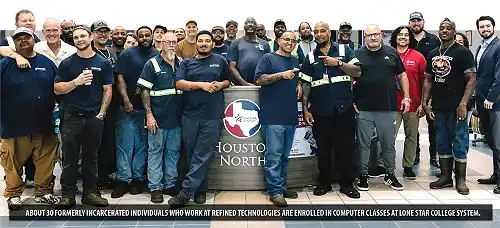 For many individuals leaving the prison system, reentry into society can be a daunting and often hopeless task. However, for those who have found their way to programs like the Adult Education and Literacy program at LSCS, there is a glimmer of hope on the horizon.
A New Lease on Life
Ruben Ramos, a 60-year-old man who spent nearly half his life behind bars, is one such individual. With the help of the Adult Education and Literacy program, he's learning to operate computers for the first time in his life. 'I had some anxiety going in,' Ramos said, 'but the teacher was enthusiastic and excited to help us.' This sense of support and guidance is crucial for individuals like Ramos, who often struggle to adapt to modern society after years of incarceration.
Breaking Down Barriers
According to the Prison Policy Institute, approximately 600,000 Americans transition out of prison each year. However, this group faces an unemployment rate five times larger than the general population, with roughly 44% being re-arrested within one year due to housing instability, employment challenges, health issues, and educational barriers. It's clear that traditional approaches to reentry are failing these individuals, which is why innovative programs like the Adult Education and Literacy program are so crucial.
A Second Chance at Success
One such success story can be found in the partnership between RTI and the CrossWalk Center. Cody Nath, CEO of RTI and co-founder of the CrossWalk Center, established a second-chance hiring initiative that has increased retention rates at RTI and given formerly incarcerated individuals a life-changing opportunity to have jobs that bring dignity and pride. This initiative has resulted in 80 second-chance hires working at RTI, with most of them being placed in physically demanding roles that require handling equipment.
As we reflect on the stories of individuals like Ruben Ramos and the success of programs like the Adult Education and Literacy program, it's clear that there is hope for those leaving the prison system. With innovative approaches to reentry and a commitment to providing support and guidance, these individuals can break down barriers and find a second chance at success.