




Do Black Americans Support Immigration Protests? A Divided Debate Over Anti-ICE Demonstrations.
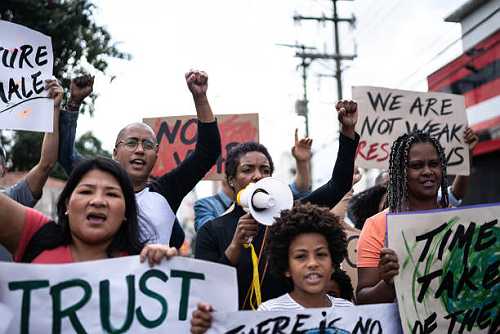 Exploring the Divide: Black Americans' Stakes in Immigrant Rights
In the ongoing debate over immigration, particularly regarding anti-ICE protests, the divide is marked by conflicting views between African American communities. This article explores the complexities of civil rights history, economic fears, and systemic issues that have shaped these differing attitudes toward immigration.
Civil Rights History and Divided Opinions
Black Americans have a rich narrative of racial struggles under civil rights. Their historical experiences of segregation, discrimination, and integration influenced their views on immigration. These stories highlight concerns about their rights being infringed upon by policies aimed at integration or economic escape.
Economic Concerns: Opportunities vs. Threats
Economic fears play a significant role in shaping attitudes toward immigration. Some believe in the urgency to escape poverty, while others fear exclusion from economic opportunities. These beliefs extend to Black Americans, who often face compounded challenges due to systemic inequalities and racial segregation.
Africans American Division: Historical and Current Perceptions
The viral video of anti-ICE protesters may serve as a reflection of current emotions. Those who support ICE see themselves protected, while others use slurs against police officers. This dichotomy highlights the ongoing tension between protecting community bonds and addressing integration issues.
Legal Reform and Current Policies
Current laws like the Fair Entry Act aim to protect individuals from exclusion, yet concerns remain about whether this leads to restricted rights for Black Americans in specific contexts. The debate also considers how integration might affect their communities, offering differing perspectives on ICE policies' benefits and limitations.
Media Influence and Historical Impact
Media coverage can shape perceptions of race. While historical instances have influenced societal attitudes, media portrayal has often emphasized systemic issues rather than individual experiences. This influence continues to shape current views on immigration rights.
In conclusion, while there are valid points about economic and systemic fears, Black Americans may hold differing opinions on their stake in immigration discussions. Their rich history of racial struggle and personal experiences offer nuanced perspectives, reminding us that both civil rights and economic considerations remain central to the debate.
------
#BM #News #Opinion #Politics #SN #WeeklyColumns
Topic Live