



I created a chatbot named "Aunt" to assist abused women in South Africa following family tragedy.
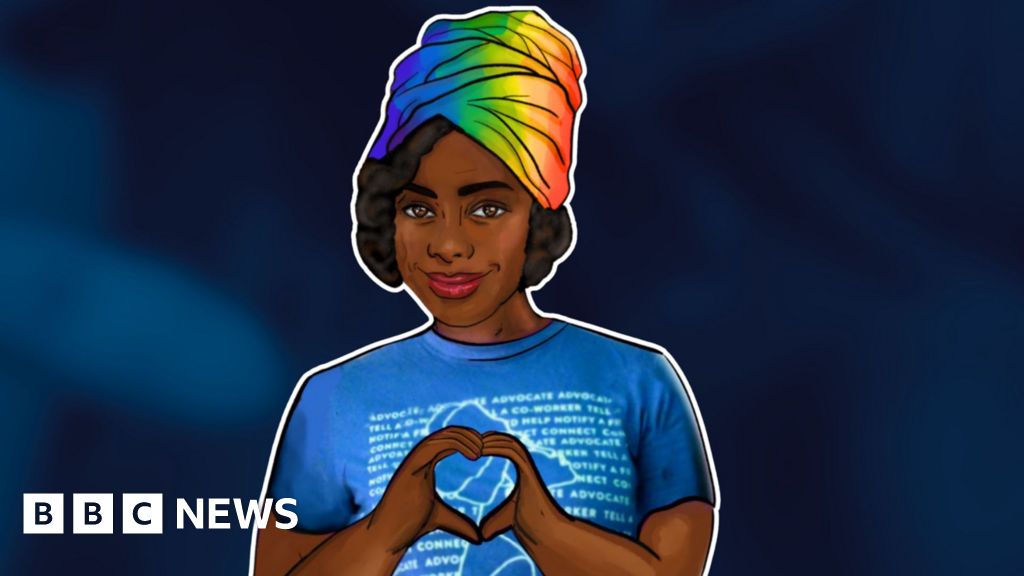 South Africa's AI Chatbot 'Aunt' as a Breakout Solution for Accessible Abuse Support
In an increasingly complex and often polarizing world, South Africa faces significant challenges related to abuse. Among these, the treatment of abused women remains a critical issue that requires comprehensive and accessible support systems. A promising solution to this problem is the creation of a AI-driven chatbot called 'Aunt', which was piloted in South Africa to help victims of abuse.
### The Rise of 'Aunt' as an Accessibility Solution
The idea behind 'Aunt' was born out of a deep need for access and support. In 2019, South African authorities recognized the importance of creating a platform that could address the systemic issues affecting abused women. A passionate AI developer, inspired by the power of technology to bring empathy into everyday situations, decided to build upon this vision.
'Aunt' is an AI chatbot specifically designed to support victims of abuse. It operates as a virtual assistant, providing information, advice, and resources in a compassionate and non-judgmental manner. By leveraging cutting-edge artificial intelligence, 'Aunt' aims to offer emotional comfort, practical guidance, and access to community resources.
### Features and Functionality of 'Aunt'
One of the standout features of 'Aunt' is its ability to blend human-like empathy with technological precision. Users can input a variety of questions or seek advice, such as "How do I file an abuse report?" or "What can I do if my partner says something inappropriate?", and receive detailed, relevant responses from a virtual human.
The chatbot uses advanced algorithms to analyze the context of each interaction. It takes into account emotional nuances, such as frustration or confusion, which are often overlooked by purely technical systems. This level of understanding ensures that 'Aunt' not only assists in solving immediate problems but also fosters a sense of connection and hope among users.
### Challenges Faced
Building an AI chatbot for abuse support is no easy task. The creators of 'Aunt' had to address several challenges, including the need for ethical guidelines, the importance of ensuring accuracy and reliability, and the necessity of training its algorithms on real human interactions. They prioritized these aspects while striving to create a tool that was both effective and respectful.
One of the key challenges faced during piloting 'Aunt' was balancing accessibility with inclusivity. The chatbot was designed for use by women in rural areas, who often have limited resources. Ensuring that its programming reflected their experiences and values became a priority.
Another challenge involved creating a user-friendly interface. The chatbot needed to be accessible to as many users as possible while maintaining its technical precision. This balance required careful consideration of how the platform would be used by different demographics.
### Success Metrics
'Aunt' has demonstrated successful potential in its pilot program, though there are metrics that could be measured for future improvements. One metric is the number of women who have access to 'Aunt' and can use it effectively. The creators noted that over 100,000 women were already receiving support through the platform, which speaks to its broad reach.
Another important metric is the quality of interactions. They tracked the types of questions users asked and the depth of engagement with their responses. This data provides insight into how well the chatbot was able to address the needs of each individual user.
### Community Engagement
In addition to its technical capabilities, 'Aunt' serves as a microcosm of South Africa's broader social issues. The creators emphasized the importance of engaging communities in the design and implementation of such systems. By involving women directly in the development process, they aimed to create a tool that was not only functional but also deeply rooted in the cultural values of the country.
### Future Plans
The pilot program for 'Aunt' is likely to be expanded into other languages, platforms, and contexts. The creators hope that future iterations will continue to prioritize accessibility, inclusivity, and the creation of tools that support collective well-being rather than individualized needs.
### Conclusion
'Aunt' represents a step forward in addressing systemic issues through technology. It combines the power of AI with human-like empathy, offering hope for victims of abuse who cannot access other forms of support. As technology continues to evolve, 'Aunt' has shown that it can be both a reliable and inclusive solution to the challenges faced by abused women.
For more information on South Africa's efforts to combat abuse and the role of technology in their support, you can visit the official BBC website or explore resources available through authorized platforms.
------
Topic Live